
After a year’s pause, we resumed our Camino de Santiago pilgrimage in August 2023. Starting from Santo Domingo de la Calzada, an iconic town along this famous pilgrimage route in Spain. Our plans were ambitious but flexible, allowing the trail to guide us.

We set off early in the dark, carrying fruit, Twix, and cola in our backpacks because it was Sunday and many shops along the Camino Francés were closed. Walking via Cruz de los Valientes towards Grañón, we skipped coffee to maintain a steady rhythm. Though this proved challenging as nothing was open for the next ten kilometers. Along the way, we connected with fellow pilgrims, including two American women briskly walking the route. In Villamayor del Rio, we finally found an open café for coffee. These moments of camaraderie along the long-distance hiking trail Camino de Santiago add special meaning to the journey.


In Belorado, we visited a church and searched for fruit and drinks for the next day. Despite many shops being closed, we managed to buy some refreshments at a gas station. Finally, we reached Tosantos, where we stayed in a donativo, a type of pilgrims’ accommodation based on voluntary donations. The host invited us to a chapel inside a cave, offering a magical and spiritual moment unique to the pilgrim route Camino de Santiago. We shared dinner and participated in a prayer session where pilgrims prayed in their native languages, reinforcing the deep connection fostered on this pilgrimage.
After a restless night without a pillow and disturbed by snoring, we began our next stage early, taking care of our feet and packing our backpacks before heading toward Atapuerca, a key stop on the Camino Francés hiking route.
In Villafranca Montes de Oca, we reunited with our American Camino friends. These unexpected encounters enrich the Camino de Santiago experience, making the journey more memorable. The climb to San Juan de Ortega, a well-known challenge on the Camino de Santiago pilgrimage, was tougher than expected. Along the way, we heard music and met a local with a jacket full of pins. I gave him a Wandelpin, and he was visibly moved, sharing a meaningful saying with us, an unforgettable moment that shows the power of this long-distance hiking trail.

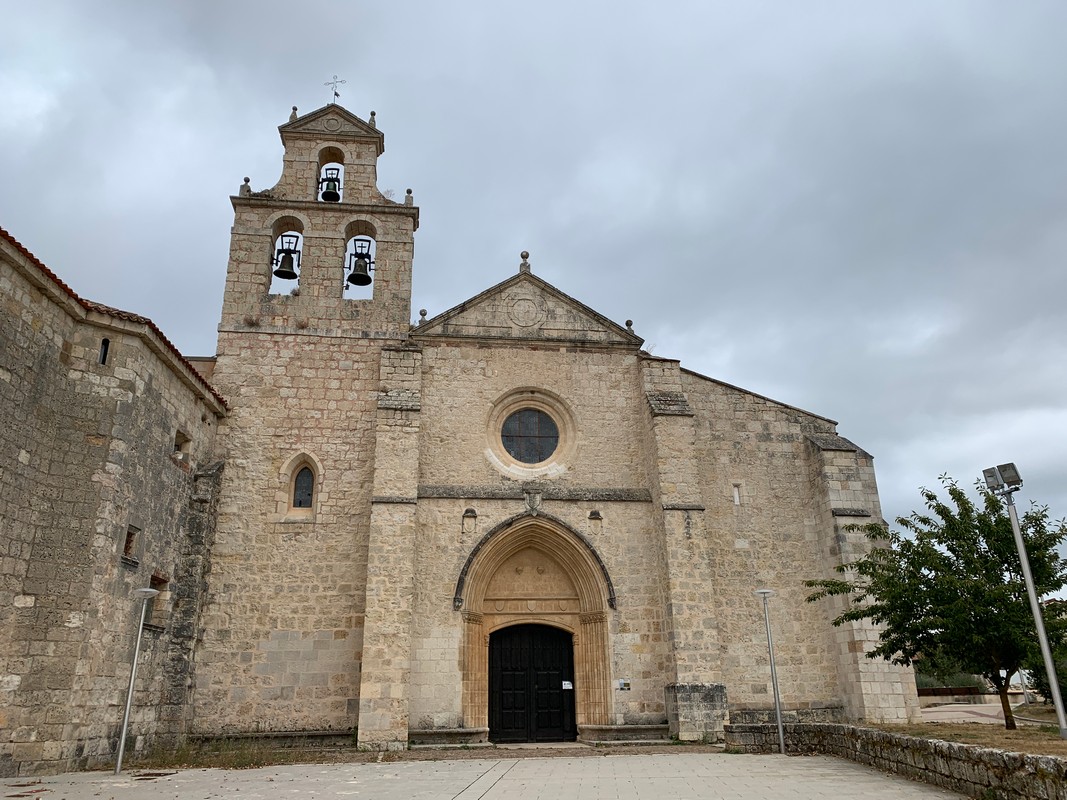
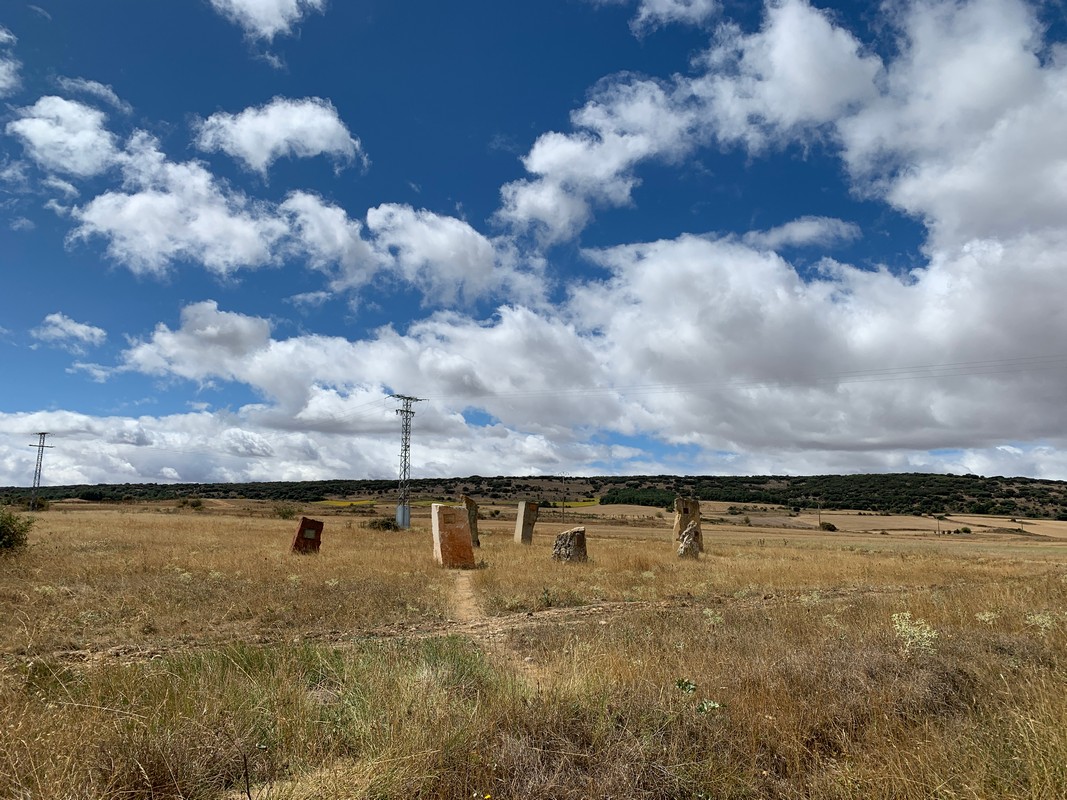

We rested in San Juan, bought souvenirs, and continued to Atapuerca, where we stayed at a hostel to do laundry. In the evening, we shared pizza with other pilgrims, preparing for the upcoming long walk to Burgos.
Our night in a modest albergue was interrupted by snorers, but we left at 6:45 toward Burgos full of determination. A planned stop in Cardeñuela Riopico was thwarted by closures, so we pressed on to Villafría, a dull transit spot lacking the usual pilgrim atmosphere.
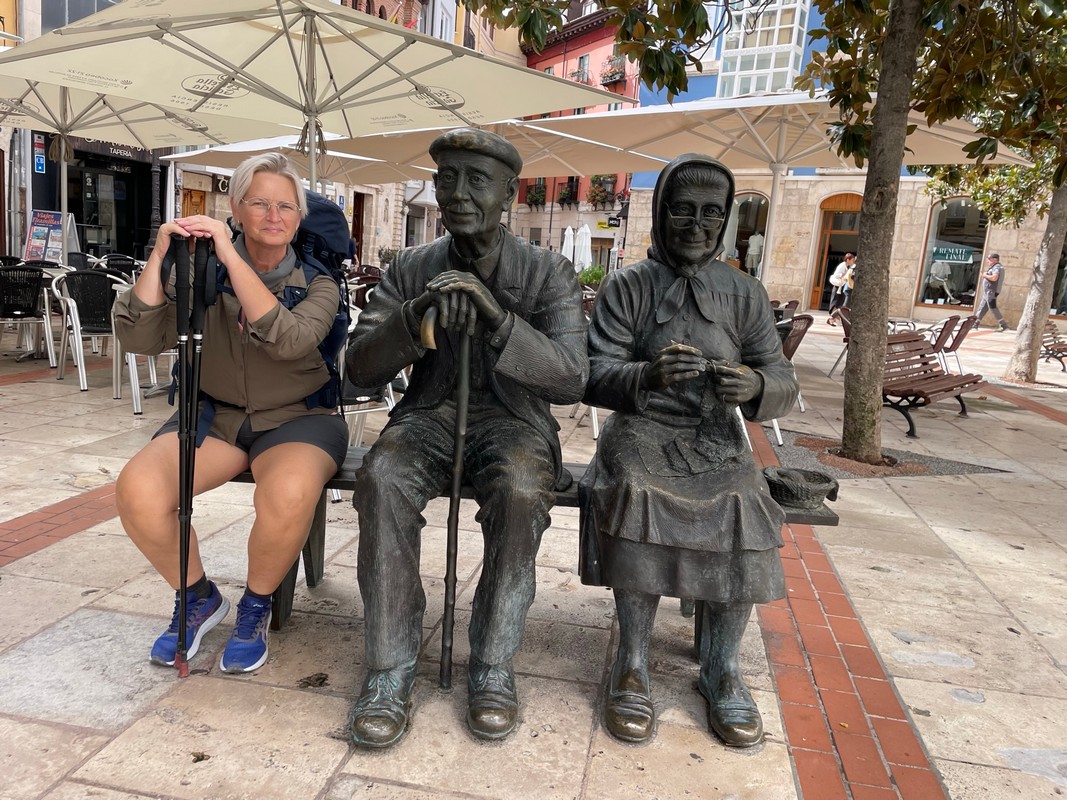

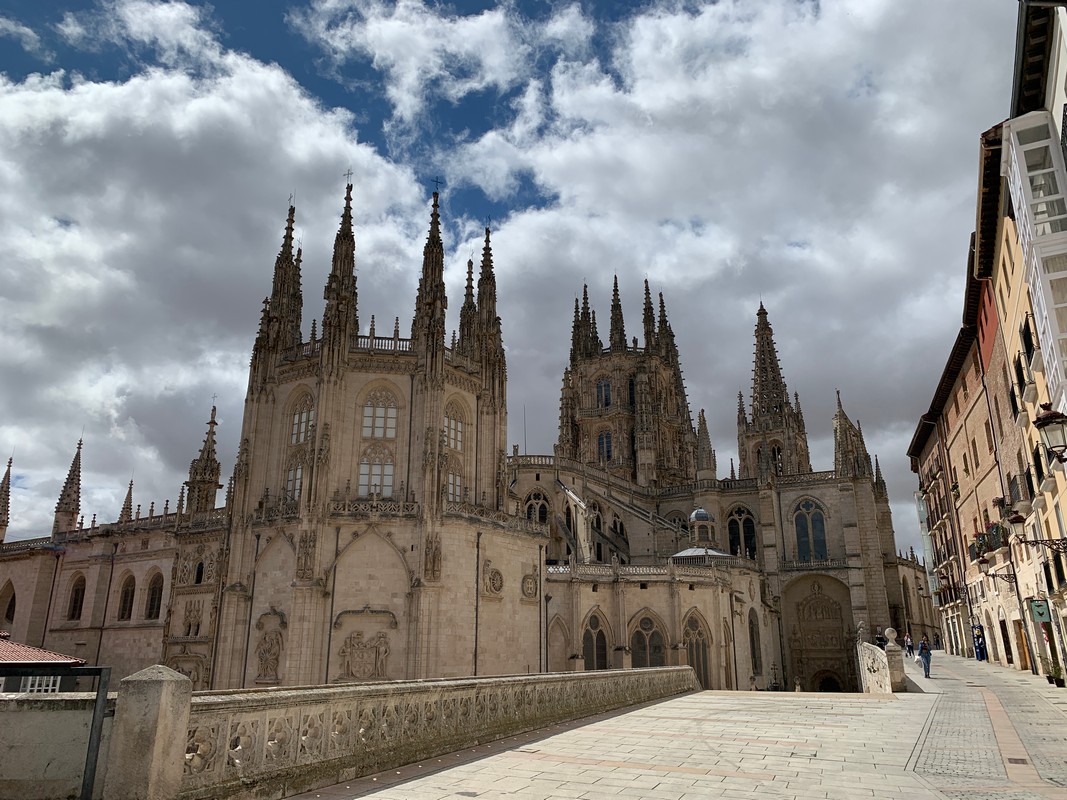

In Burgos, a significant city on the Camino de Santiago route, we admired the magnificent cathedral and bought souvenirs such as pins and thimbles tangible memories of our pilgrimage. Navigating the city was sometimes tricky, but friendly locals helped us, showcasing the warmth found along the Camino Francés.
As we left Burgos, a local woman passionately advised us to pay close attention to our surroundings—a subtle reminder to stay vigilant on the Camino pilgrimage. After 33 kilometers, we arrived in Tardajos, where we spent a convivial evening with pilgrims from Italy, the Czech Republic, and Hungary, exchanging stories and tips for the long-distance Camino walk.


The day began early despite a restless night in the albergue. Passing Rabé de las Calzadas, we reached Hornillos del Camino after eleven kilometers, a small village with few open amenities and little ambiance.
Fatigue set in, but our motivation carried us forward. San Antón, an ancient monastery hostel known for its rustic conditions “no electricity or hot water” offers a unique experience on the Camino Francés. There, in a donativo with only twelve beds, we found rest and connected with the centuries-old pilgrim tradition.
Dinner was simple but nourishing, followed by a reflective evening, reinforcing the spiritual core of this pilgrimage route.

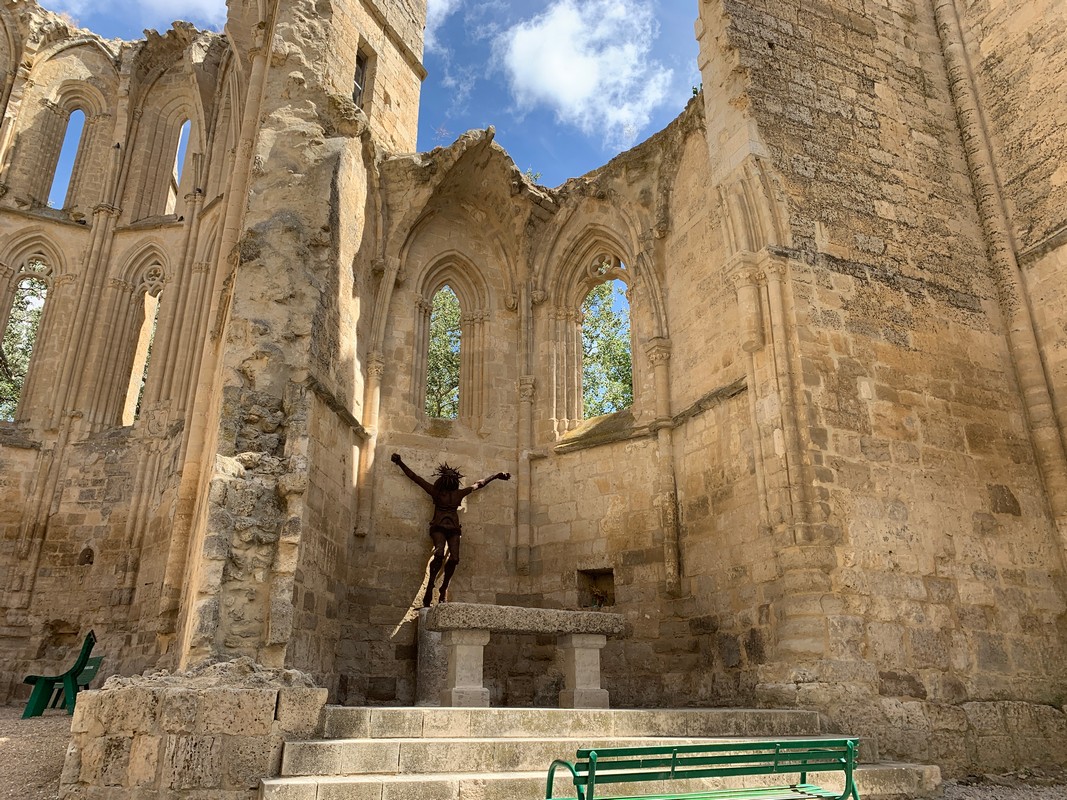


After a restful night, we walked to Castrojeriz for breakfast, giving a donation in exchange for a church stamp, a cherished Camino de Santiago tradition that enriches the pilgrim’s journey. Feeling energized, we continued to Itero de la Vega and then Boadilla del Camino, where a Dutch-run hostel warmly welcomed us.
The chance to do laundry, enjoy a hot shower, and share a meal with international pilgrims made this stop memorable. Presenting a Wandelpin to the hostess was a special gesture, symbolizing gratitude and connection along this Camino pilgrimage.


We continued along a canal flanked by golden wheat and sunflower fields, typical scenery of the Camino Francés Meseta. After a coffee break in Villarmentero de Campos, we walked the last ten kilometers to Carrión de los Condes, a city rich in pilgrimage history.
Sleeping in a church was atmospheric but cramped. An inflamed foot required sandal use, an essential tip for pilgrims facing foot issues. Evening activities included sharing stories and singing in a circle, followed by attending a church service, deepening the spiritual experience on the Camino Francés.


Following a noisy night, we left early with rain gear, awaiting a coffee break seventeen kilometers later in Calzadilla de la Cueza. We pushed on to Terradillos de los Templarios, where the long, flat path invited meditation and reflection.
The albergue provided a welcome pause for showers and simple meals. The quietness of this stage contrasted with prior busyness, highlighting the varied experiences on the Camino de Santiago pilgrimage.

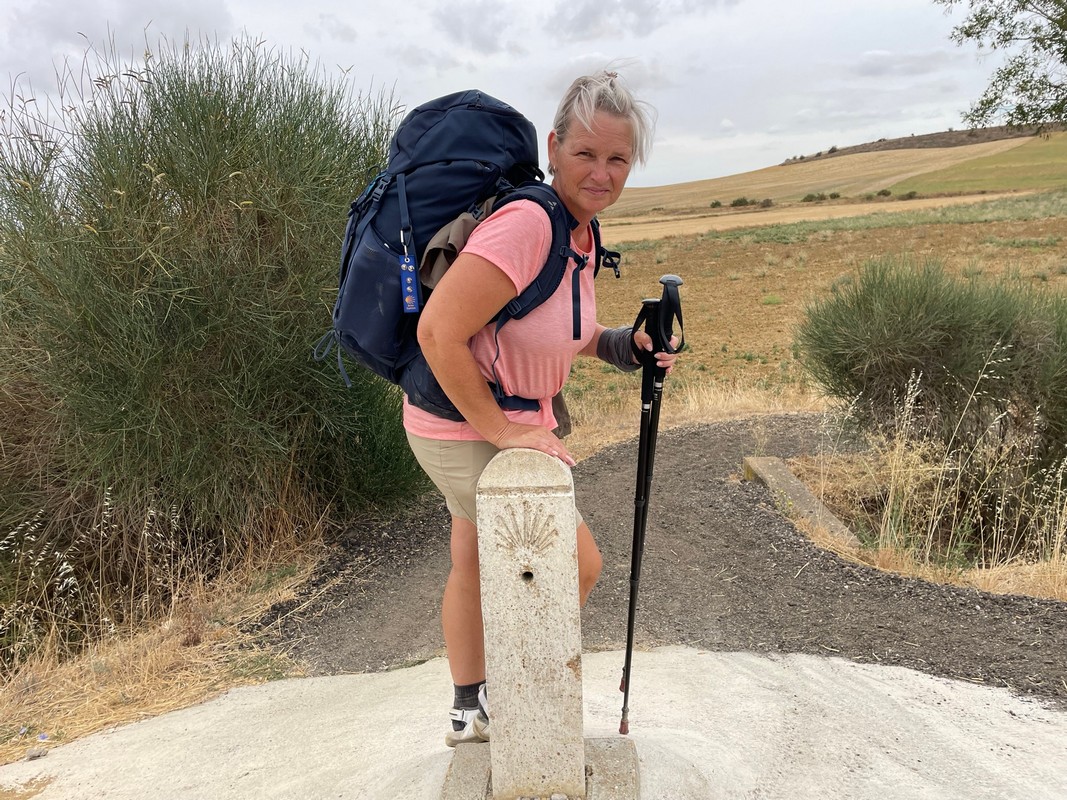
Leaving our private room refreshed, we walked through Moratinos and Sahagún. At Sahagún, we reached the symbolic midpoint of the route and obtained a certificate, a milestone motivating all pilgrims on the Camino Francés.
The walk to Bercianos del Real Camino was challenging due to physical discomfort, but a donativo offered warmth and fellowship, where pilgrims openly shared motivations and feelings.
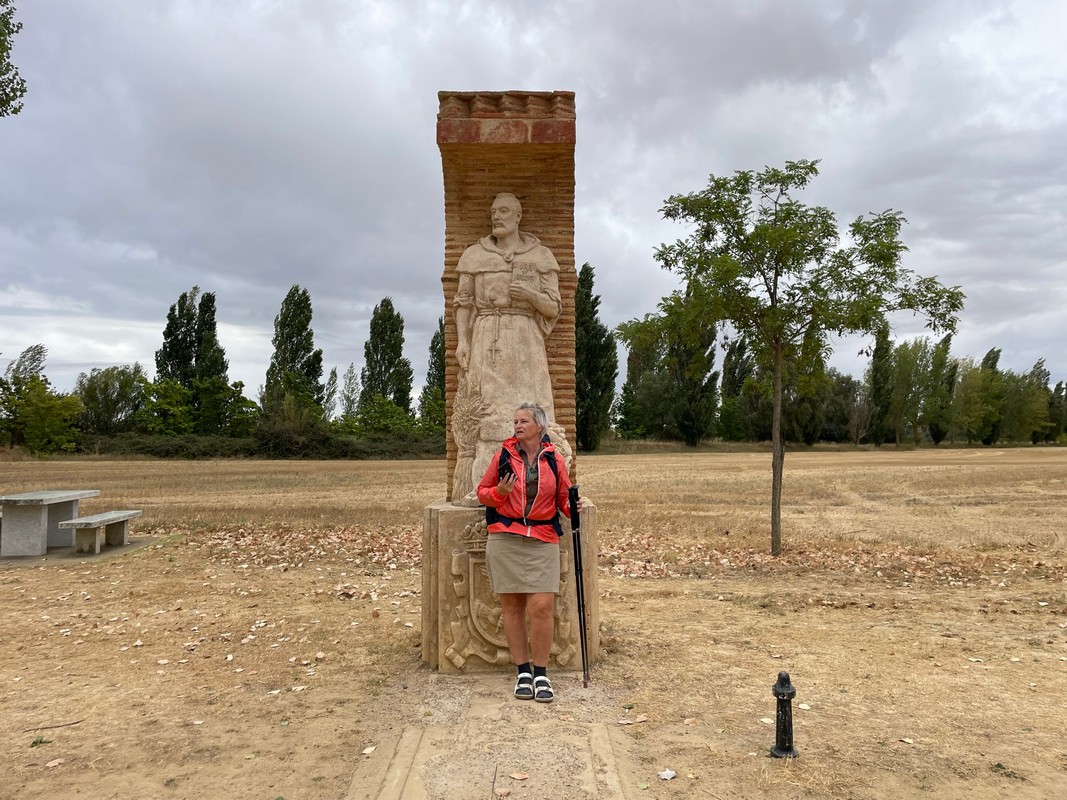
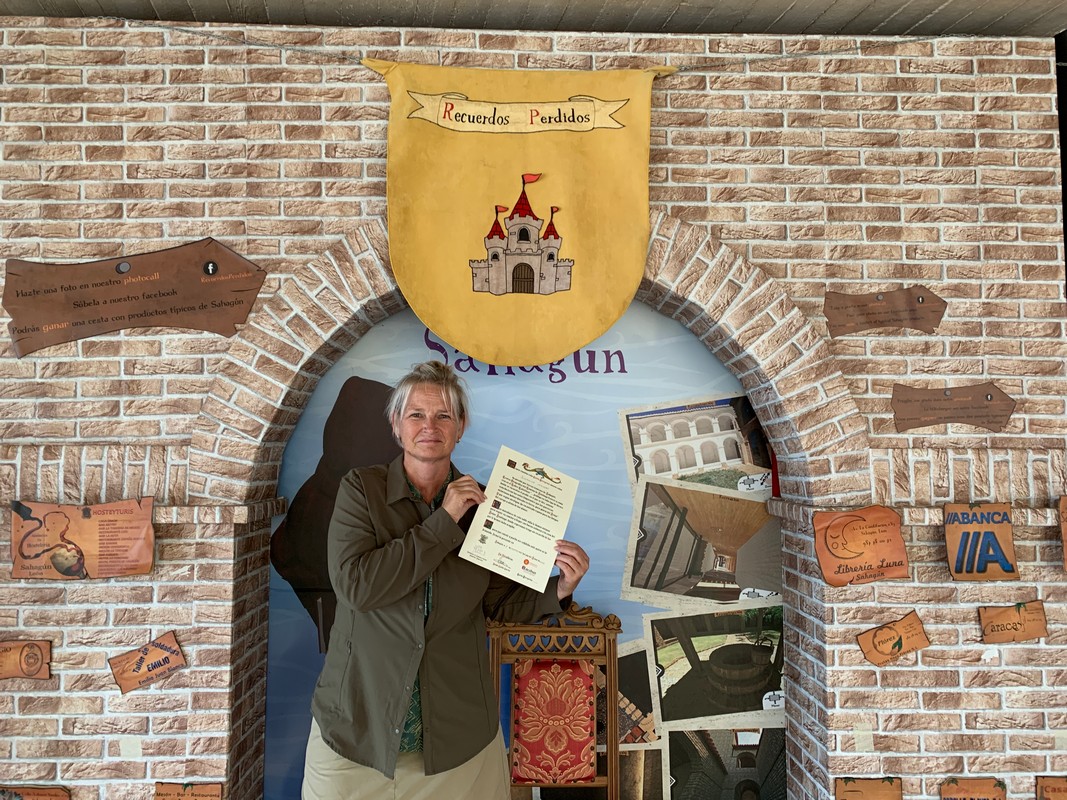


Departing early from Bercianos, we passed El Burgo Ranero and Reliegos, enjoying a long lunch break. Just before Mansilla, we heard about full accommodations due to Monday crowds, but luckily secured a hotel room offering much-needed comfort after weeks on the Camino pilgrimage.
Sleeping in a real bed and using regular towels was a luxury after many nights in shared dormitories. We planned ahead for the next stage to La Virgen del Camino, hopeful for better weather.

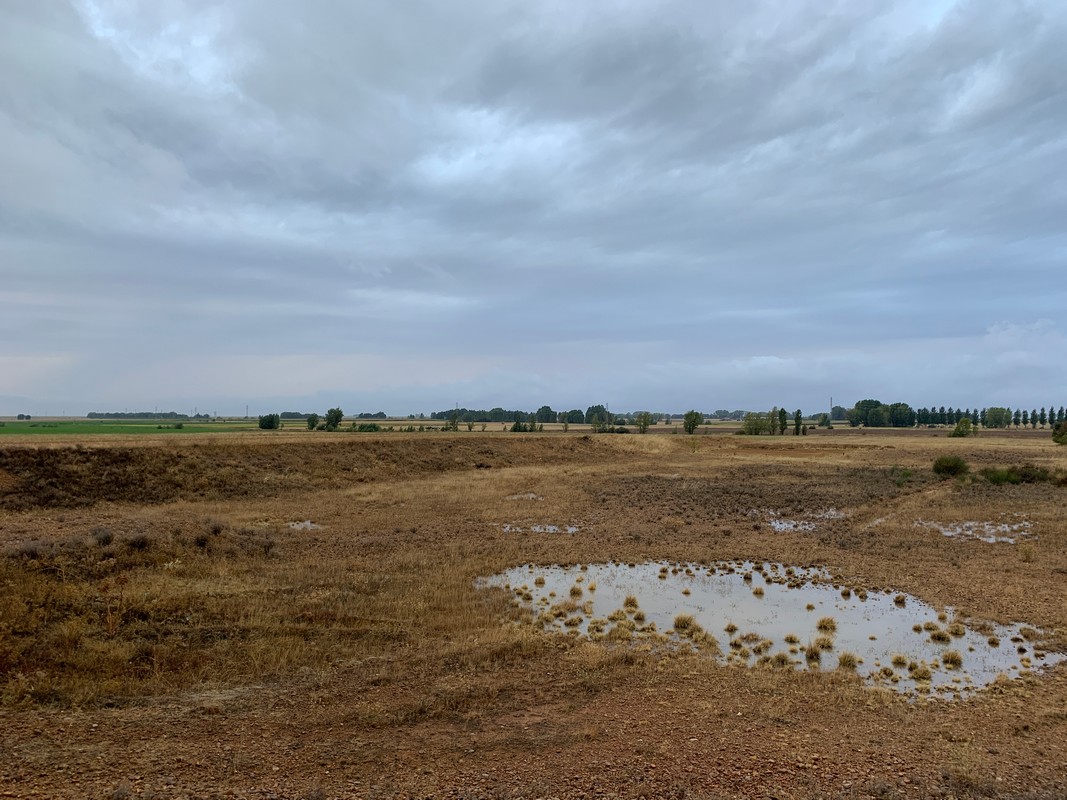


We set out before dawn, passing Villarente where lively young pilgrims were preparing for celebrations. Leaving the Meseta marked a shift in landscape and energy.
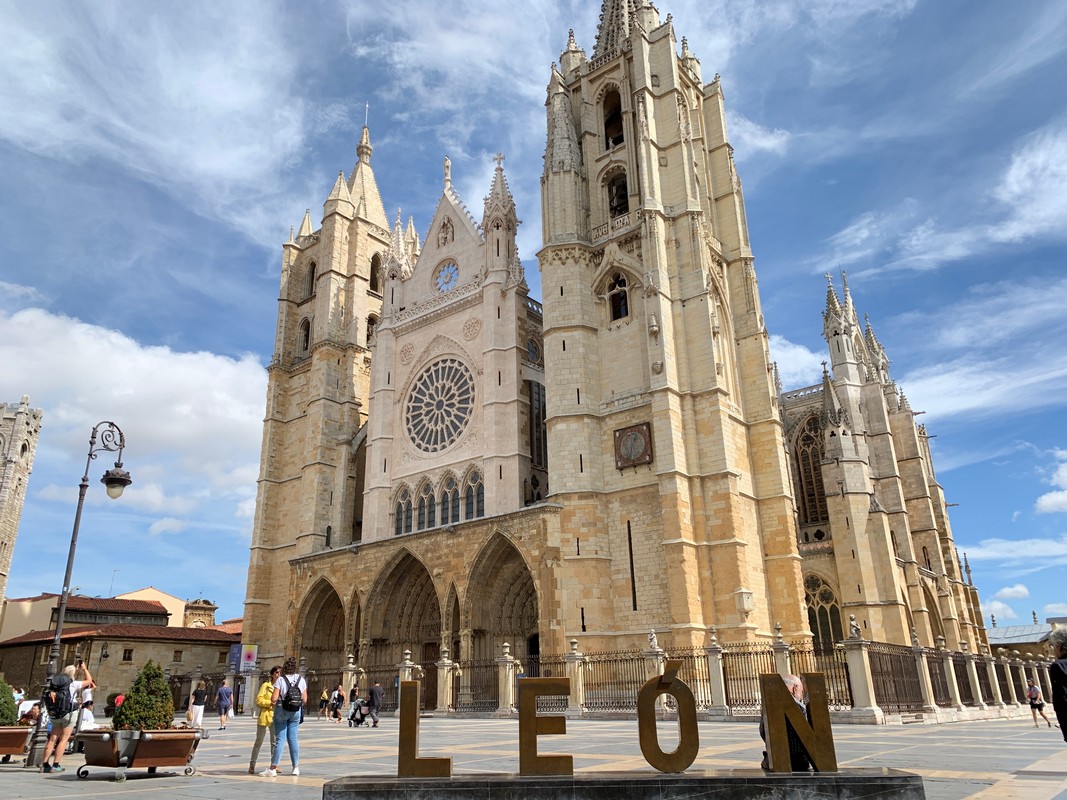
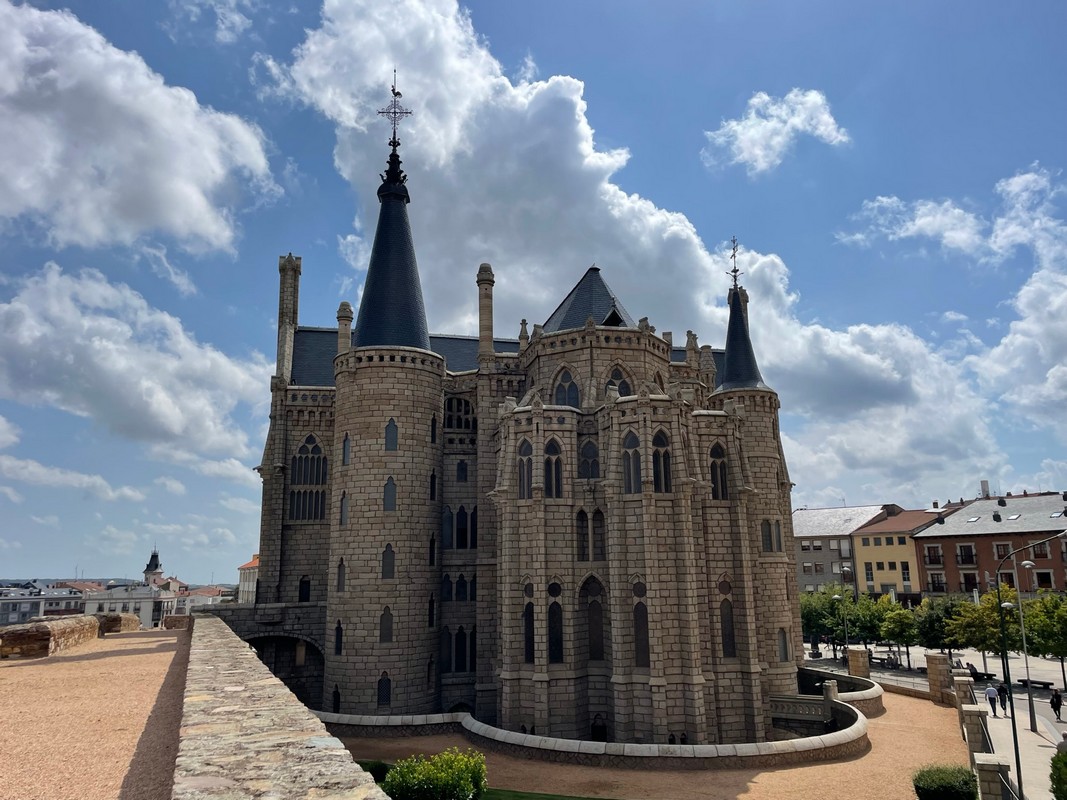
In León, we savored local specialties, collected stamps, and explored cultural highlights including the Gaudí Museum and the cathedral. The blend of culture and nature makes this part of the Camino de Santiago truly special.
That evening, we chose shorter walking stages to promote recovery and enrich the pilgrimage experience.

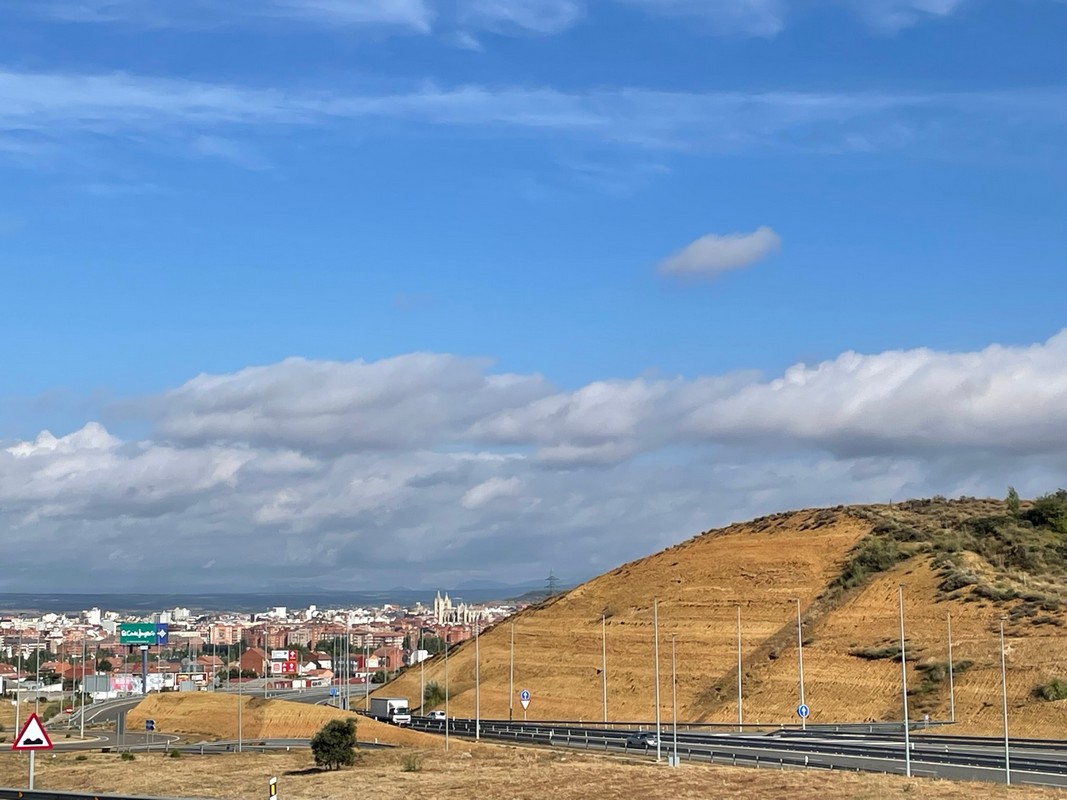


A short walking day brought rest, with coffee and fresh fruit breaks. The warm welcome at the donativo in Villadangos del Páramo exemplified the hospitality found along the Camino Francés.
Despite not being our favorite place, the international group of pilgrims from Denmark, Australia, Hungary, and Spain made the evening enjoyable.


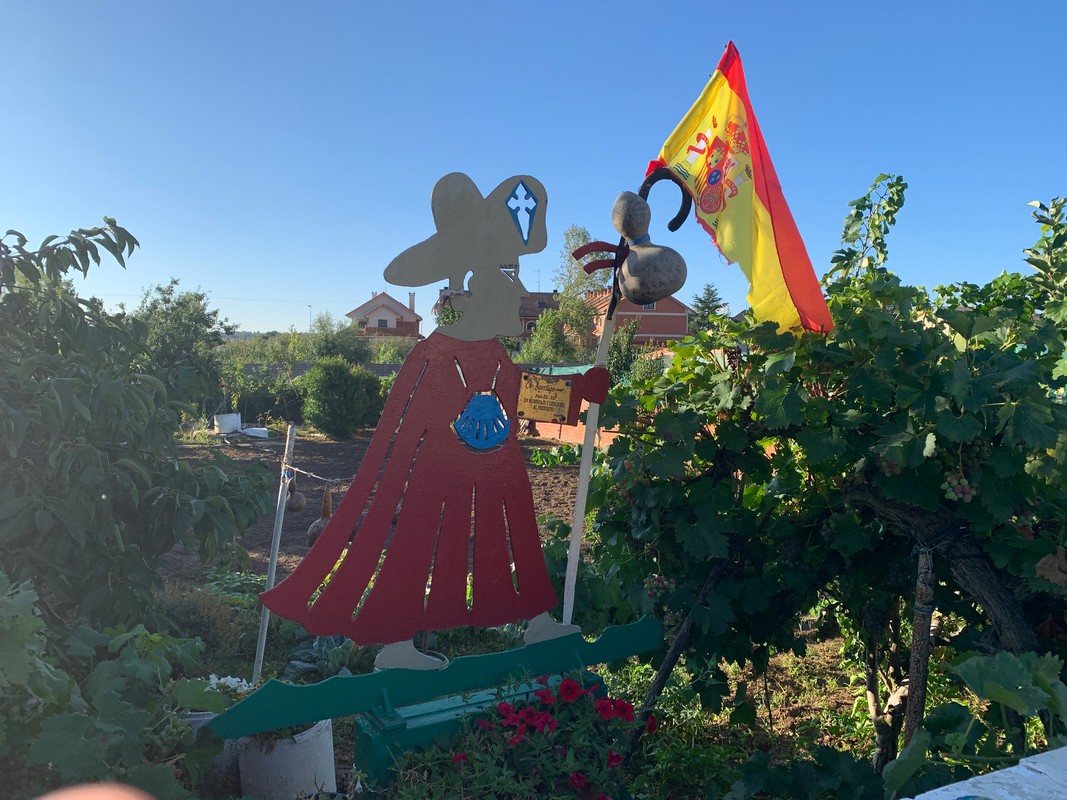
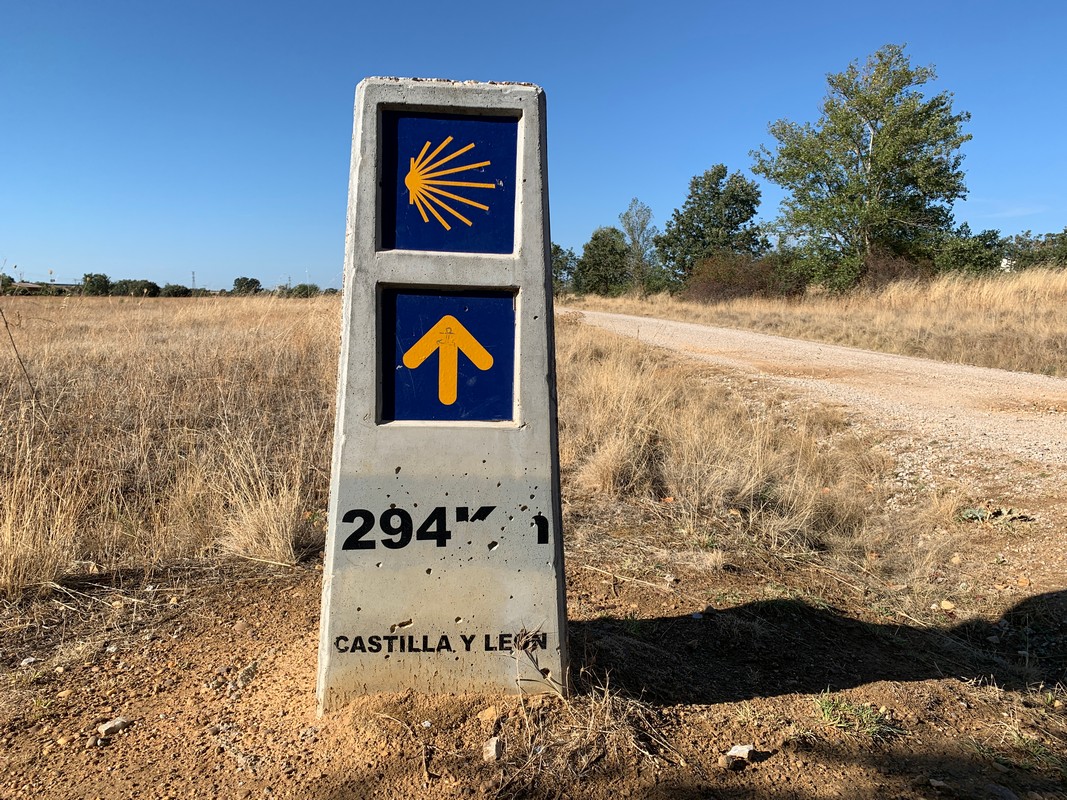
A peaceful night and early start greeted us with a stunning sunrise. At Puente de Órbigo, we enjoyed a charming coffee break surrounded by wandering chickens and caught up with younger pilgrims.
Crossing historic bridges, we ventured deeper into nature toward Villares de Órbigo, where a Dutch-owned hostel (in 2023) provided excellent blister care and a delicious dinner. The private room was a welcomed comfort late in the pilgrimage.
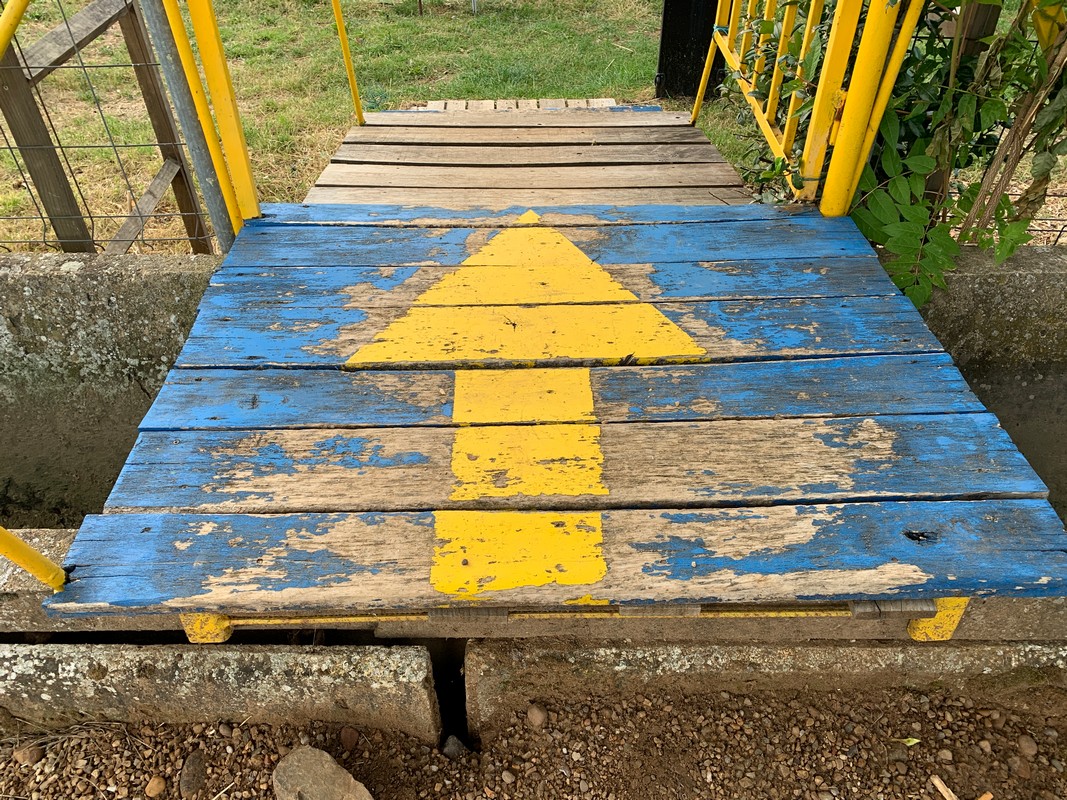
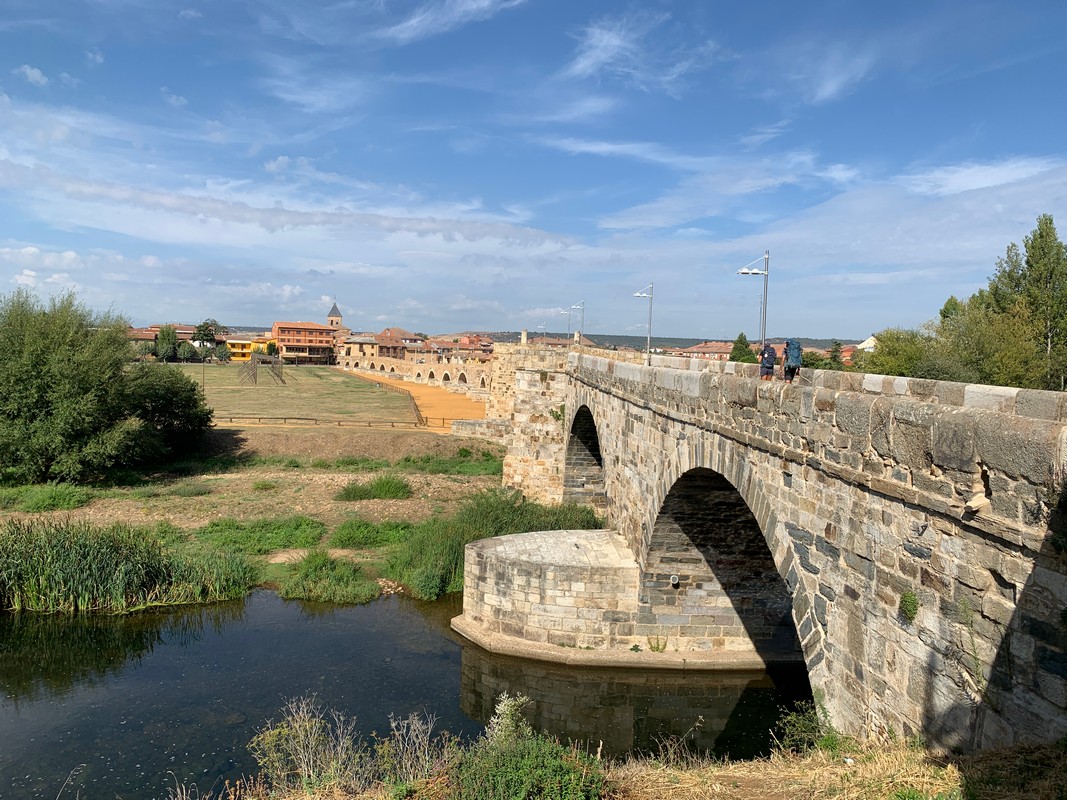
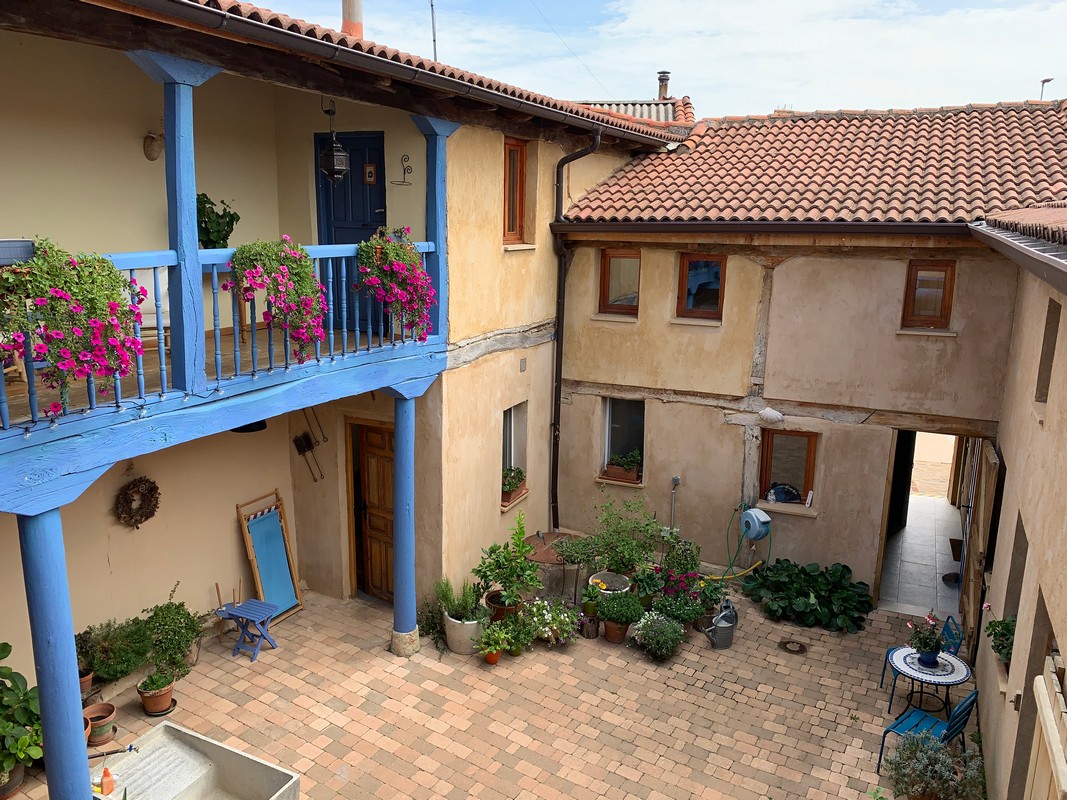


Our final walking day began calmly despite an overly friendly Labrador. We traversed natural trails and shared stories with an American mother and son, strengthening the pilgrim spirit.
In Astorga, we stayed in a large hostel and visited cultural landmarks like the Gaudí Museum and cathedral. The realization that our pilgrimage was ending brought mixed emotions.
The Camino de Santiago remains a source of inspiration, connection, and personal growth. Our next adventure will be the Santa Maria route, promising new enriching experiences to follow.


Our Photos
We take photos with our iPhone, mirrorless camera, or compact camera. We don’t edit our experience photos with colors or filters; all the colors you see are exactly as we observed them.
A Walking Pin
Would you like a pin as a souvenir? You can click here.
Other Hikes
If you’d like to read more about our hikes, check out our overview page.
More Camino
Read other blogs about my experiences on the Camino here.